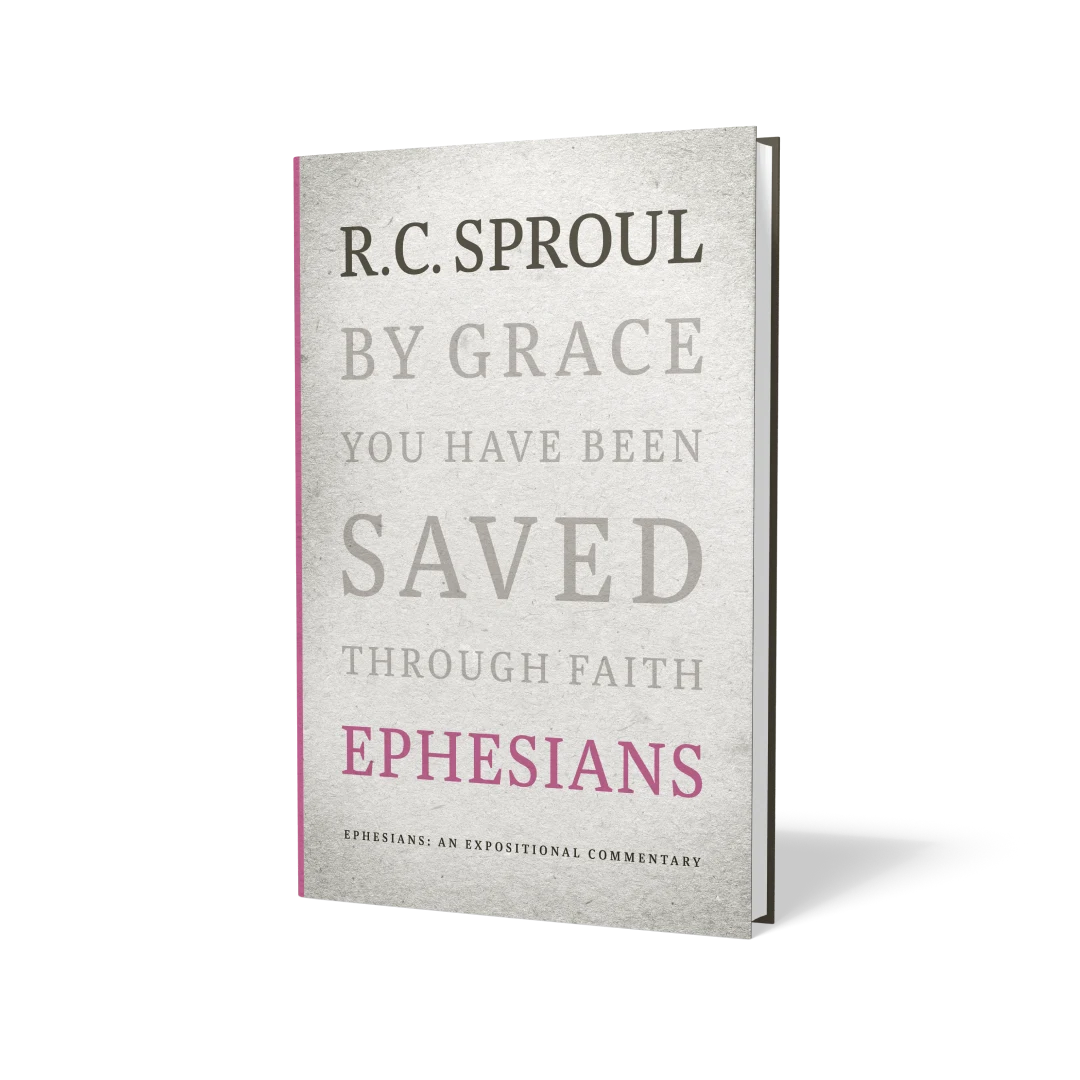
The essence of the problem of evil is this: In a world of moral and societal evils—together with natural evils such as earthquakes and other disasters and physical suffering—how can we reconcile the reality of evil with belief in an all good, sovereign, and powerful God? The problem of evil is one of the most controversial and difficult subjects that has occupied the minds of men, and philosophers and theologians have wrestled with theodicy, how to answer the problem of evil, since the earliest days of human history. Many Greek philosophers and Eastern religious figures offered solutions to these questions that were contrary to God’s revelation in Scripture. Christian theologians throughout the history of the church have offered numerous biblical answers to the problem of evil.
The problem of evil has long been recognized as the most difficult issue that Christian apologists—defenders of the faith—have to deal with. As such, the problem of evil has sometimes been called “the Achilles heel of the Christian faith,” as R.C. Sproul has noted. Christian philosophers and theologians have offered numerous approaches to the problem of evil, which is the question of how an all-good, sovereign, and omnipotent God could allow evil to exist.
In his Confessions, Augustine wrote, “Whatsoever is, is good. Evil, then, the origin of which I had been seeking, has no substance at all; for if it were a substance, it would be good. For either it would be an incorruptible substance and so a supreme good, or a corruptible substance, which could not be corrupted unless it were good.” Augustine sought to highlight the fact that since God is good, and everything that comes from God is good, we can only know what evil is by way of negation of good. According to Augustine, evil is merely the privation of good.
The theologians of the Reformation and post-Reformation scholastic era affirmed that God is sovereign over evil, and has ultimate and penultimate purposes for it, while denying that God is the author of evil. They strongly rejected the notion that God is the active agent of evil who makes His creatures sin. In their chapter on “God’s Eternal Decree,” the members of the Westminster Assembly wrote, “God from all eternity did by the most wise and holy counsel of His own will, freely and unchangeably ordain whatsoever comes to pass; yet so as thereby neither is God the author of sin; nor is violence offered to the will of the creatures, nor is the liberty or contingency of second causes taken away, but rather established” (WCF 3.1).
Reformed theologians have upheld the biblical teaching about God’s sovereignly decreeing “whatsoever comes to pass” while affirming that He works through secondary causes performed by created agents (i.e., moral and rational creatures such as angels and men) in order to accomplish His purposes. At creation, the sovereign God endowed man with free will with which to choose good or evil. After the fall, man’s nature is wholly inclined to evil. Though God foreordained all the actions of His creatures, He does not coerce them to sin. As James states, “Let no one say when he is tempted, ‘I am being tempted by God,’ for God cannot be tempted with evil, and he himself tempts no one’” (James 1:13). Nevertheless, all evil exists according to the sovereign purposes of God.
The eighteenth-century New England theologian Jonathan Edwards sought to give a reasonable explanation of how the good and holy God could have ordained all evil and sin without being the author of it. He wrote,
God has decreed every action of men, yea, every action that they do that is sinful, and every circumstance of those actions. . . . He determines that there shall be such actions, and so obtains that they shall be so sinful as they are; and yet God does not decree the actions that are sinful as sinful, but decrees [them] as good. . . . God decrees that it shall be sinful for the sake of the good that he causes to arise from the sinfulness thereof, whereas man decrees it for the sake of the evil that is in it.1
God sovereignly decreed all the actions of His creatures according to His purpose to display His glory in response to the evil of the creature. By ordaining evil, God has set a stage for the display of both His justice and mercy (Rom. 9:22–23). Additionally, God has promised to bring good out of evil—both for the display of His own glory as well as for the good of His people (Rom. 8:28).
Many solutions to the problem of evil have been proposed that do not adequately take into account all that the Scripture has to say about God’s sovereignty. Scripture holds both that God is not morally responsible for evil and that evil is part of His plan for creation. A solution that fully reconciles these two facts and answers every question we might have about God’s relationship to evil has proved elusive, but this should not surprise us. God is infinite, and we should expect that there will be places where our finite understanding of God’s character and ways will not be able to answer every question that we might have, at least on this side of glory. Nevertheless, we can rest assured that God is perfectly good and that while evil might be a problem for us, it is never a problem for Him.
-
Jonathan Edwards, The “Miscellanies”: (Entry Nos. A–z, Aa–zz, 1–500), ed. Thomas A. Schafer and Harry S. Stout, Corrected Edition., vol. 13, The Works of Jonathan Edwards (New Haven; London: Yale University Press, 2002), 250. ↩
We must never say that evil is good, or that good is evil. But that is not the same thing as saying, “It is good that there is evil.” . . . We know that the force of evil is extraordinary and brings great pain and suffering into the world. We also know that God is sovereign over it and in His sovereignty will not allow evil to have the last word. Evil always and ever serves the ultimate best interest of God Himself. It is God in His goodness and in His sovereignty who has ordained the final conquest over evil and its riddance from His universe.
R.C. Sproul
Ligonier.org magazine
God is not capricious or arbitrary. . . . Evil is not ultimate. Christianity never denies the horror of evil, but neither does it regard evil as having any power above or equal to God. Scripture's final word on evil is triumph. Creation groans as it awaits its final redemption, but this groaning is not futile. Over all creation stands the resurrected Christ—Christus Victor—who has triumphed over the powers of evil and will make all things new.
R.C. Sproul
Ligonier.org magazine